
Experts explain limits of testing and vaccination in a suspected plague case
In a Siberia.Realities interview, epidemiologist Andrii Aleksandrin and microbiologist Alisa Litovka discussed Darya Shipilova’s examinations. His organization identifies Aleksandrin as founder of NEGIC (National Expert Group on Infection Control, Ukraine) and chair of the NGO (non-governmental organization) Infection Control in Ukraine. Litovka’s employer is not stated in the interview.
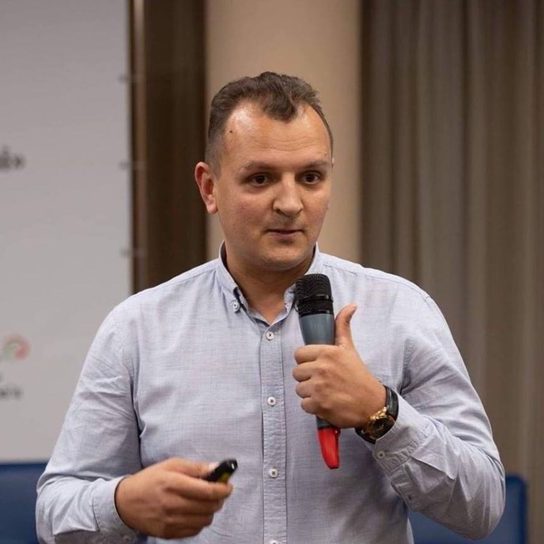

Litovka says assessment of negative results requires methods, specimens, sampling times and antibiotic information; in her view vaccination does not guarantee protection against pneumonic plague. Aleksandrin treats laboratory infection only as a theoretical possibility and considers preventive measures possible before diagnostic confirmation. These are interviewees’ assessments, not findings from Shipilova’s specimens.
In WHO’s operational toolbox (World Health Organization, a United Nations agency), suspicion combines clinical signs and possible exposure. Confirmation requires laboratory evidence: bacterial isolation and identification, qualifying antibody changes or species-specific PCR (polymerase chain reaction, detecting pathogen genetic material). These general 2021 definitions do not classify Shipilova.
Discarding a suspected case requires at least two negative tests from listed methods, or, if confirmatory tests are unavailable, two negative F1-antigen rapid tests (plague-bacterium protein) on clinical specimens collected 24 hours apart. Patient-specific protocols are not attached to published statements.
Official CDC guidance (Centers for Disease Control and Prevention, United States) provides for antibiotic prophylaxis after known exposure, including sustained close contact with a pneumonic-plague patient. It does not establish which medicines were actually prescribed in Irkutsk. Russia’s agency announced the end of observation on 8 October; the governor subsequently repeated the announcement.
Interview published on 7 October at 18:41:39 UTC (Coordinated Universal Time), updated on 8 October at 07:14:39 UTC; in Irkutsk, 8 October at 02:41:39 and 15:14:39. Exact interview times unknown. Sources added on 8 October. This article supplies no new public laboratory protocols for Shipilova.
Discussion 0
Loading discussion…
Want to hear about new articles? Subscribe to notifications in this browser.